
The RX100 series represented a big breakthrough for image quality, back in 2012, but the six iterations since then suggest it’s not about to turn into my dream camera.
I’m not completely shocked that Sony updated the RX10: the existing model was clearly out of production and increasingly silly second-hand prices suggested there was pent-up demand. And now the work of integrating more modern components with a Type 1 sensor has been done, surely an updated RX100 will be next?
I found myself thinking about what that might look like, and the more I do, the more I suspect it won’t be what I want.
Two years ago I made the argument that there is a market for enthusiast compacts: small cameras with decent image quality and sufficient direct control to give a satisfying photographic experience. I proposed an RX100-style camera with a less-expensive sensor and the original 24-70mm equiv F1.8-2.8 lens. Sadly, that’s not what I’m expecting Sony to make, at all.
Sony is a technology company. A technology company that makes some very good cameras, but ultimately a company that believes that their cameras will always be made better by throwing more and newer technology into them.
The RX100 series have always been products whose engineering I admired, rather than cameras I enjoyed
So instead of the stripped-back camera with direct controls and a (relatively) accessible price tag that I’d love someone to make, I suspect we’ll get a camera with, at the very least, all the bells and whistles of the RX10 V. I’m going to guess it’ll have the rangier but slower 24-200mm equiv lens, the ability to shoot at framerates around double the speed of a pro-targeted DSLR and a list price of at least the $1500 that the VII’s launch price would equate to, today.
And thinking about this made me remember how frustrated I’ve always been with the RX100 cameras. Because, with their introduction of the Type 1 (13.2 x 8.8) sensor to the compact market, they represented a huge step forward in terms of how much image quality you could fit in your pocket. The JPEG color on the first one was perhaps a little wonky but that 116mm2 sensor was nearly three times the size of the Type 1/1.7 (43mm2) chip that had dominated the space up until then, and that’s the kind of difference you could see in every photo.
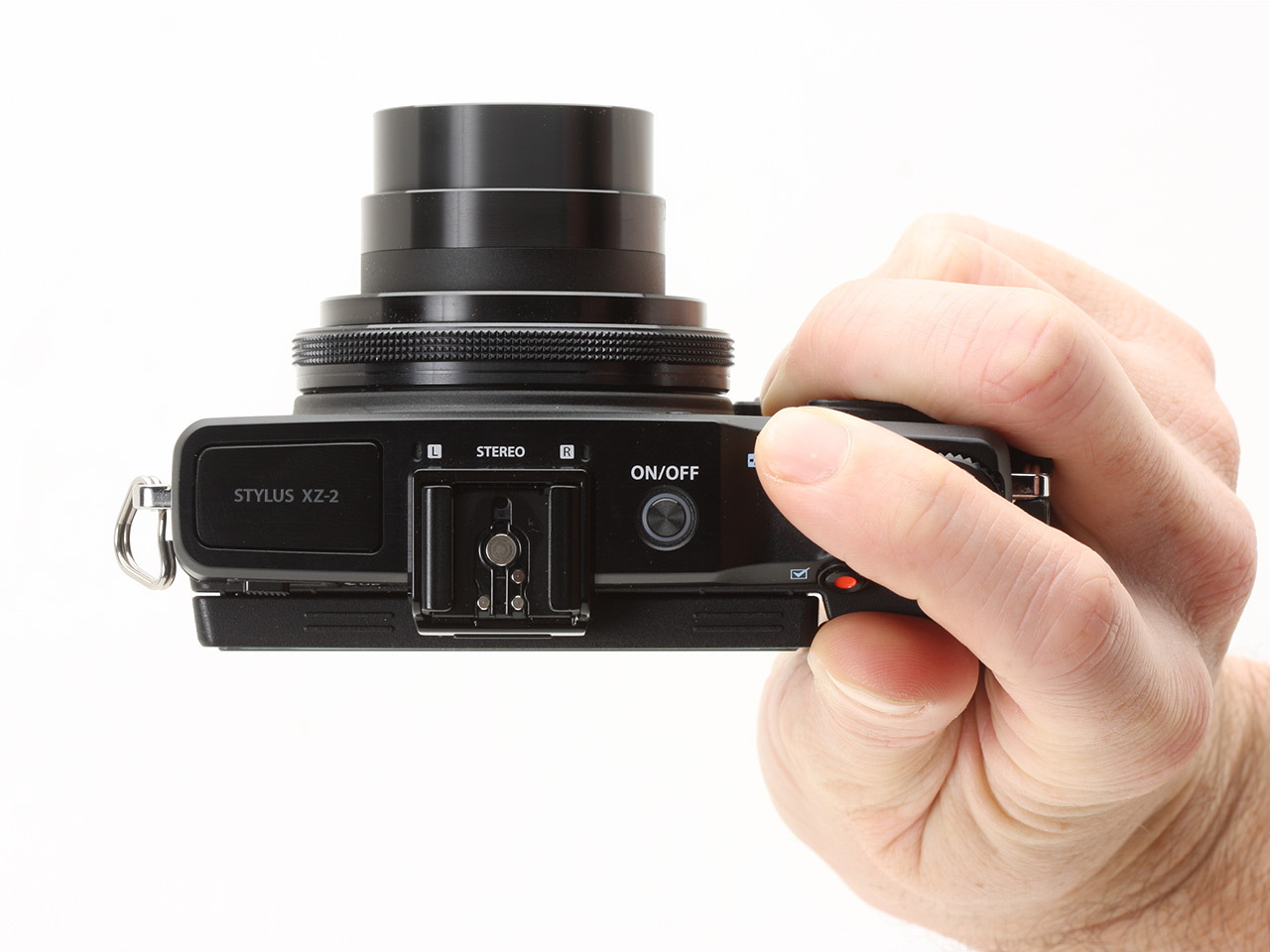
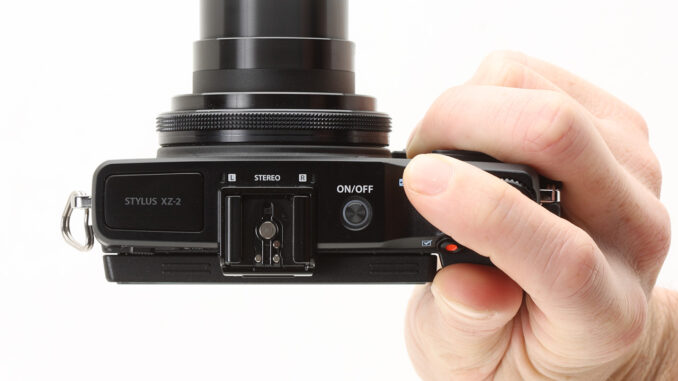
But despite the appearance, price and that short, bright lens, the RX100 never felt like an enthusiast compact. Compared to the likes of the Olympus XZ models or Canon’s G and S-series cameras, the Sony sorely lacked engaging control points. Typically I’ll use an enthusiast compact in Aperture Priority mode, so would want to be able to control the aperture value and exposure compensation: both of them settings that adjust in fixed, stepped intervals. The RX100 doesn’t have a well-placed clicking control point, meaning you have to change most settings via the vague, free-rotating ring around the lens. There’s a lag before it recognizes that your input is intentional and there’s no tactile feedback that you’ve changed anything.
The result was a user experience that left you feeling detached from the photo taking process
The result, even before you visited the old, rather chaotic menus, was a user experience that left you feeling detached from the photo taking process: the precise opposite of what I believe a standalone camera needs to offer. The RX100 series have always been products whose engineering I admired, rather than cameras I enjoyed.
I remember being advised “stop trying to make it do what you want, and just use it as a point-and-shoot,” and finding that helped. But if I wanted to just take snaps, I’d probably use a smartphone, because the phone makers know their devices aren’t about taking control, so they’re happy to shoot and combine multiple images with every shot, letting them rival or exceed the image quality of a Type 1 camera taking single photos.
I could be wrong, of course. Sony might significantly rework the RX100 to make it fun to take control of. Or it might not make one at all. And, even if it does, I’m not going to assume that the things I, personally, want are the things that the market as a whole wants: Sony will have a much better idea of what sells and what doesn’t, and of what would-be customers are asking for.
But, while the whole thing remains hypothetical, you can’t blame me for hoping.
Want to stay up to date on the latest product news and releases? Add DPReview as a preferred source to ensure our independent journalism makes it to the top of your Google search results.